Many businesses continue to operate with systems that their predecessors created decades ago. The platforms which supported growth in the past now create problems because they prevent innovation while increasing expenses and generating operational dangers. Many organizations need to modernize their legacy systems because legacy system modernization supports their digital transformation efforts however organizations view modernization as a risky complex procedure.
People have valid reasons to feel scared. The organization can face expensive consequences when it experiences system downtime and data loss together with business interruptions. The system's actual problem does not originate from its age. The risk comes from how the organization approaches its modernization process. Organizations can achieve safe legacy application modernization through proper strategies which enable them to execute their upgrades without disrupting their regular business activities.
The article investigates the problems which cause legacy systems to fail and the difficulties that businesses encounter and the method which creates a risk-free modernization process that generates sustainable value.
Why Legacy Systems Hold Businesses Back
Legacy systems serve as business solutions created during a previous time period. Business requirements undergo changes over time yet existing platforms continue to operate with the same unaltered design. Organizations now have to deal with increasing system performance gaps which cause their technological capabilities to fall short of their actual operational requirements.
The existing technology stack creates two major problems for the organization because it restricts both its capacity to expand and its ability to adapt. The process of integrating legacy systems with contemporary applications and cloud services and analytics solutions becomes more complex and challenging. The organization experiences delays in its operational activities because it takes extra time to complete basic tasks while its product development schedule has become suspended and its capacity to create new products has reached a standstill.
Maintenance expenses continue to increase because all specialized skills have become scarce while the organization faces rising infrastructure demands and any minor maintenance task needs excessive human resources. Legacy systems create a drain on resources which prevents organizational growth from occurring.
The current business environment requires organizations to modernize their enterprise software systems because this process has become an essential requirement. Organizations need this process because it supports their requirements for business competitiveness and operational responsiveness and system protection.
The Real Risk Is Not Modernization, but Delay
Organizations face delays in modernization because they possess a strong fear of experiencing any operational disturbances. The process of postponing activities leads to higher risk probabilities. The older systems present increased hazards which include system breakdowns, security breaches and regulatory compliance failures. The system becomes increasingly difficult to upgrade through unspent time.
The target of risk-free legacy system modernization establishes complete system replacement as its final objective. The process should proceed through planned development stages. The implementation of modernization through phased development according to business objectives leads to decreased risks.
The organization requires a strong legacy modernization strategy which achieves continuous operation and stable performance and creates measurable progress throughout each development phase.
Common Challenges in Legacy System Modernization
Organizations face multiple difficulties when they attempt to modernize their existing systems through unstructured methods. Organizations face multiple obstacles which they experience repeatedly.
Outdated Technology Stacks
Legacy platforms may rely on obsolete frameworks, databases and programming languages. The older technologies restrict system performance while creating obstacles for modern technology integration.
Integration Issues
The modern digital ecosystem uses APIs together with cloud services and real-time data exchanges. Legacy systems lack the required design features which prevent them from achieving complete operational integration.
High Maintenance Costs
The cost of system upkeep increases as systems age. The duration for repairs extends while requirement for specialized personnel rises and system faults start to build up.
Challenges in migration
Migration causes a lot of headaches on business networks surrounding data security and system downtimes and reduction in operational efficiency during legacy system transitions. The solution to these problems requires organizations to develop detailed strategies which implement established best practices for modernizing outdated legacy systems.
What Risk-Free Modernization Really Means
The term risk-free requires actual definition because its present meaning fails to meet its basic requirement. The implementation of structured testing and gradual enhancements enables organizations to decrease their operational uncertainties.
The main objective of application modernization is to enhance system performance and system reliability and system scalability while maintaining essential business operations. The organization aims to achieve continuous development while maintaining its current operational state.
Rather than replacing everything at once, modern organizations modernize legacy applications step by step. The organization achieves operational benefits through each stage which proves the initial predictions correct while creating assurance for upcoming stages.
The Legacy Modernization Build Journey
The structured path to modernization guarantees that business objectives will receive support instead of experiencing operational interruptions.
1. Full System Audit and Dependency Mapping
The process begins with a deep audit of the existing system. The investigation covers all system elements which include architectural design and data transmission methods and system interconnections and operational usage patterns. Understanding how everything connects is essential before making changes.
2. Incremental Modernization Approach
The organization implements system upgrades through multiple phased implementations instead of creating an entirely new system. The project may involve code refactoring database modernization and API development while keeping current systems operational.
3. Cloud and Hybrid Migration Planning
Organizations can choose between three different migration methods which include moving to cloud environments and using hybrid systems and adopting containerized solutions. The organization develops comprehensive legacy system migration strategies which establish protective measures for security and compliance and operational effectiveness.
4. Testing, Validation, and Optimization
The organization conducts thorough testing for all changes made to its systems. The process includes functional testing and performance testing and user validation to verify system stability before proceeding. The system optimization process delivers improved performance results through each development phase.
This journey enables organizations to implement modern solutions that operate alongside their established operational methods.
Moonsys Legacy Modernization Services
Moonsys focuses on legacy system modernization because its primary goal requires them to decrease operational risks while they enhance their extended business worth. The process of modernization exists as a complete business transformation which extends beyond mere technical improvements.
Safe Migration Strategy
Moonsys implements its phased migration models to maintain both data accuracy and continuous system operation. The system implementation ensures business operations continue uninterrupted during the entire modernization implementation.
Modular Architecture for Flexibility
The system undergoes redesign into separate modular components which provide organizations with improved system maintenance capabilities and expanded operational capacity and upcoming technology advancement possibilities.
Cloud Integration and Automation
The modern cloud software establishes new capabilities which deliver benefits to users by enhancing system performance and creating better operational reliability while lowering expenses.
Continuous Performance Monitoring
The system monitoring process starts after modernization to verify that systems maintain both security and optimal performance while their usage increases.
The selected method enables organizations to associate their technological requirements with their operational demands while maintaining operational safety.
How the Modernization Process Works
The modernization workflow follows a clear and repeatable structure which begins with auditing and ends with operational support.
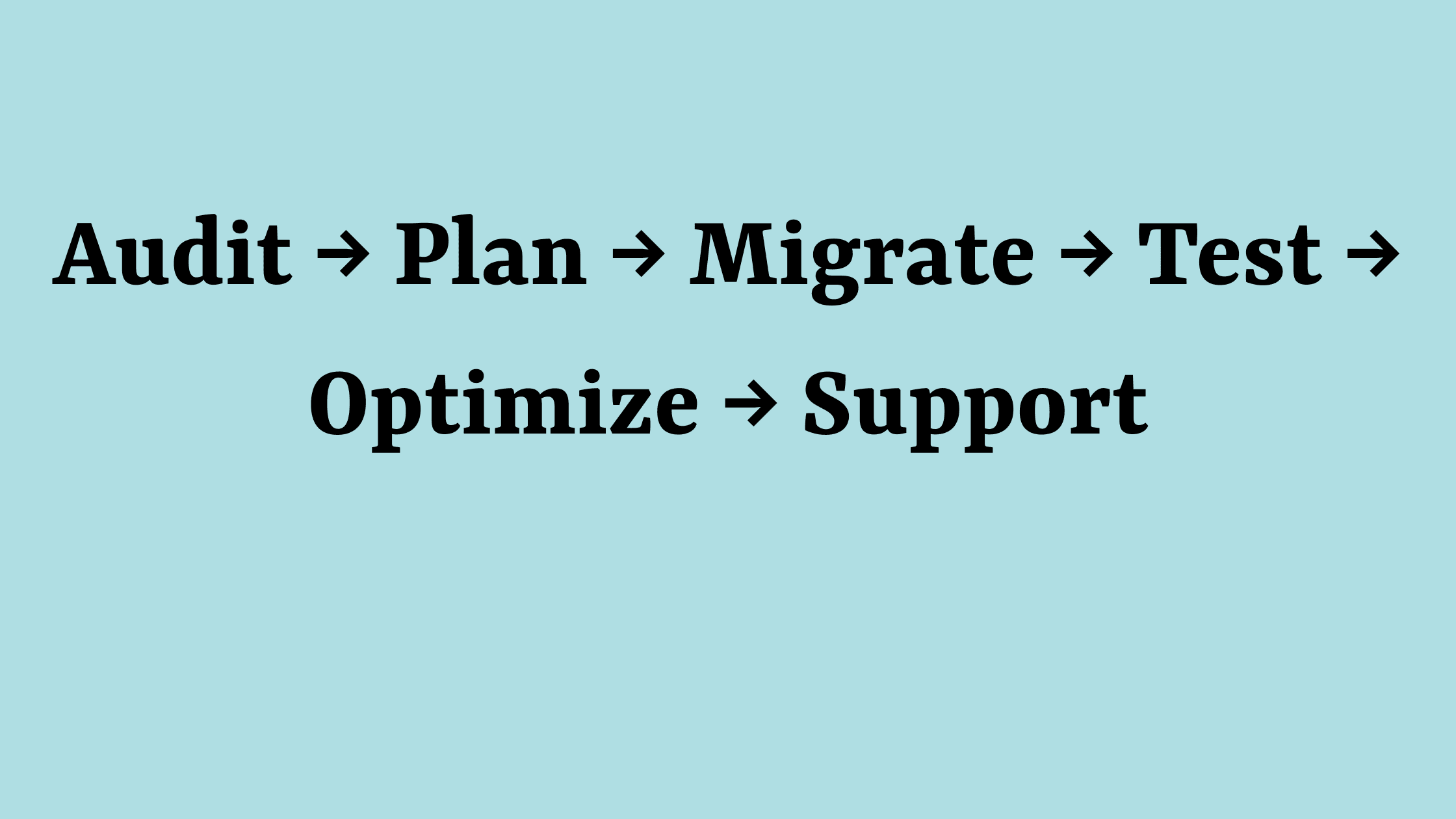 The process establishes a sequence of operations which organizations must follow to complete their work.
The process establishes a sequence of operations which enables organizations to maintain control over their projects while they observe their results. Organizations possess full awareness about their upcoming modifications together with the reasons behind those changes and the operational advantages generated by those adjustments.
Real-World Impact of Legacy Modernization
Organizations that invest in legacy system modernization see tangible results when the process is done correctly.
Organizations that implement system upgrades to enhance their operational processes achieve efficiency gains between 25 percent and 50 percent. The system reaches higher operational stability which leads to major reductions in both system downtime and unplanned disruptions.
The operational expenses of a system will decline when both its maintenance tasks become less complex and its operational systems achieve better performance. A manufacturing company achieved a 40 percent reduction in system maintenance expenses through its process of updating its old system by using a stepwise method.
Business operations obtain more flexibility in addition to their financial benefits. The organization can now deliver new product functions at an increased pace while establishing better system connections which allows its staff to concentrate on developing new ideas instead of resolving existing problems.
The Best Practices of Secure Legacy System Modernization
The implementation of successful modernization requires the application of established modernization principles.
- Organizations need to establish their modernization objectives. These objectives should match their desired business results.
- Organizations should apply modernizing methods through stepwise advancements instead of executing complete system changes.
- Organizations should make data protection and system reliability their main priority.
- Organizations need to conduct testing activities throughout all development phases.
- The organization should create its system to handle both future expansion needs and better efficiency through system integration. The Best Practices of Legacy System Modernization Permit Organizations to Build. They create secure systems which help their operational growth.
The Future Belongs to Modern, Flexible Systems
Existing systems which have become outdated. The right approach to treat them will help create modern platforms which support efficient operations and future business growth.
Modernization requires organizations to maintain their existing systems. Modernization needs to create stronger systems. When organizations execute enterprise software modernization according to correct methods, they will achieve improved system performance, reduced operational expenses, and sustained operational strength. This transformation will occur without affecting their business activities.
Final Thought
You can upgrade your system without danger while you can expand your operations without any restrictions.
Modernization done right is not a risk. It is a competitive advantage.
Moonsys provides secure legacy system modernization solutions for your organization.