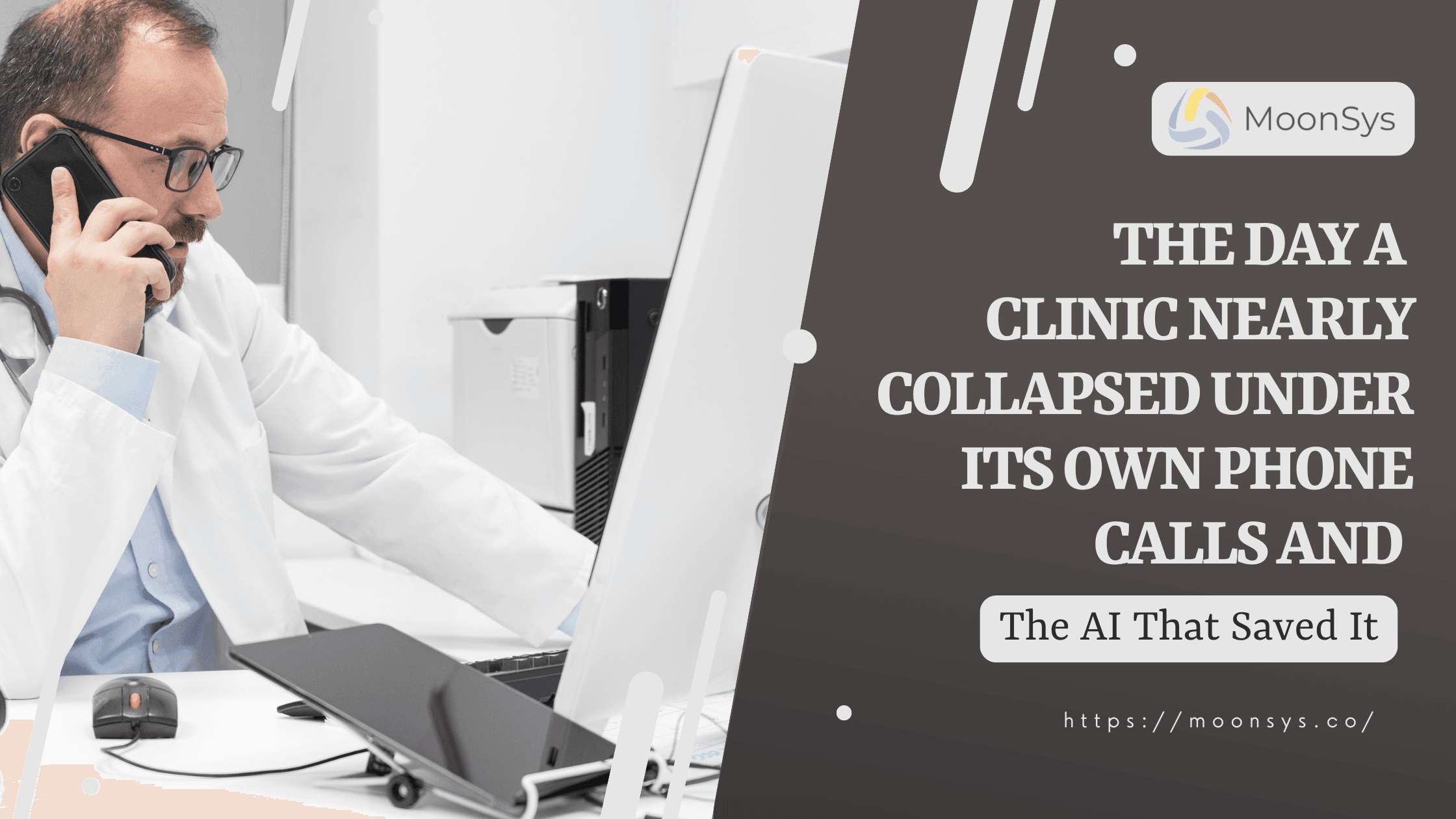
The first ring reverberated as far as the reception desk at 8:02 AM. At 8:17 AM, the personnel were already mastering the art of managing several callers simultaneously while a steadily increasing number of walk-ins were waiting in line. By the time it was 9:00 A.M., the clinic was overwhelmed with more than 180 calls and the entire team was in panic mode. Patients were left waiting in lines so long that many hung up in frustration. Negative reviews were left by others on the web. There were a few mix-ups of appointments. A very important referral was overlooked completely. Chaos caused even staff to become disoriented with patient information times, dates, numbers and notes that were supposed to be recorded properly.This is exactly the kind of situation that medical clinic automation is designed to prevent.
The ringing that had gone unanswered was the team’s worst nightmare. The team was not just overloaded but even systems were breaking down and the clinic was practically on the edge of being overcome by communication.
The above picture did not depict rare events at all but in fact the daily routine where call volume skyrocketed, challenged the staff way beyond their capacity. Thus it came to be the moment the clinic acknowledged the necessity of a change.
The Pain No Clinic Talks About Out Loud
What I'm about to say might be hard for you to accept but let me put it straight: most clinics rely on manual communication and it is no secret. Employees are buried under the workload right from the start. Patients are kept waiting forever just to get one question answered. Calendars get completely messed up. Call logs are not found. Communication turns into a mixture of notes on the wall and frantic multitasking. Besides, since the clinic has no data and oversight, it cannot determine the cause of the problem until it has escalated.
Staff members who are overworked are not able to see significant notifications regarding patients which sometimes leads to the missing of details such as appointment times, dates, and patient’s contact information.
Such missed appointments have been causing problems for several days in the following.
Patients were not satisfied due to lack of communication.
There are no statistics for calls and real-time data to monitor the problems.
The whole process is being interrupted frequently due to human errors.
Every clinic manager who reads this can relate to it. The very second you say, “Yes… this is just our issue.”
The Turning Point No One Could Ignore
The realization finally came: "Human labor alone cannot help us to grow." However, it was not the sample that missed the skill but the sample that lacked the capacity. A human team with perfect skills cannot handle hundreds of simultaneous conversations with an only average rate of accuracy. Support of the clinic needed something consistent, reliable and quick. Something that could learn, adapt and operate without getting worn out. It was not about replacement but about order replacing people.
A Bigger Industry Dilemma
What happened at this clinic is not an isolated case. The whole healthcare industry is suffering from conducting communication in the old way which silently consumes time, money and morale. Manual dialing takes hours every day. Clinics are without immediate insights. Call centers are expensive and still not able to cope. Patients are not communicated with properly just because of the time limitation in a day.
This is the very gap that the modern medical clinic automation, healthcare AI platforms and medical AI platform solutions are trying to fill. Moreover, the innovations around AI patient engagement, AI software for healthcare` and technologies touching such areas as revenue cycle management using AI, automated medical coding and revenue cycle management AI, are all reshaping clinic operations. The industry is moving and the early adapted clinics are the ones to take the advantage.
The Vision Behind MoonSys
 The chaos at that clinic became the catalyst for the MoonSys mission: to introduce order, clarity and automation to healthcare communication. MoonSys was determined to design a calling system that could not only intelligently manage conversations but also comprehend patient intent, redirect inquiries, create appointments and provide full visibility all this without the need for clinics to hire more personnel or invest in expensive call centers.
The goal of this project is not only to take calls. It is a whole new approach for clinics to work. It is an entire powered-up team with data, it is a higher efficiency and a piece returned to places where communication has already gotten too much. It is a matter of a clinic getting a system that finally suits the speed of modern healthcare.
How the Build Journey Began
Nothing about this solution was easy. It all started with a single question: “What if AI could handle calls with the same confidence and clarity as a trained medical receptionist?” But turning this idea into a real and big enough system took months of engineering and iteration. The team had to get into the depth of the patients' behaviors, calling patterns, clinic workflows and the types of communication errors that cause operational disruptions.
A process of picking Twilio Media Streams for real-time call audio, training conversational AI models, creating adaptive NLP flows, developing custom appointment management logic and designing an intuitive real-time monitoring dashboard took place. It became a daily routine to test dozens of call scenarios. Every detail from recognizing accents to understanding fragmented speech had to work flawlessly before a single clinic could rely on it.
The Moment Everything Came Together
The clinic’s new hero, the AI Calling Agent and its powerful Admin Dashboard came out of this journey together. They bridged the gap between staff who are beset by the modern healthcare constant communication demands and the AI Calling Agent who handled calls with human-like responsiveness and the dashboard that provided real-time insights that no traditional phone system could offer. This was not merely another automation tool, it was the foundation for the clinic's communication future.
What Reasons the AI Calling Agent to be a Game-Changer
Natural Language Understanding (NLP): The agent interprets patient requests, questions and emotions with contextual accuracy.
Real-Time Dashboard: Administrators view live calls, metrics, sentiment and outcomes.
Human Handover: When needed, the AI instantly transfers calls to a human without losing context.
Analytics and Reporting: Clinics finally understand what’s happening on their phone lines minute by minute.
How a Patient Call Flows Through the System
• The patient calls the clinic
• AI answers instantly and identifies intent
• NLP processes the conversation naturally
• The system schedules, updates and routes the case
• Analytics log sentiment and interaction quality
• Real-time insights appear instantly in the dashboard
This flow guarantees that every interaction is consistent, accurate and fully traceable.
The Real-World Impact That Changed Everything
The clinic that nearly collapsed under phone calls before deployment but within a three-week time frame, saw a complete turnaround. The AI Calling Agent cut the manual communication workload down by 65%, thus allowing the staff to concentrate on patient care rather than dealing with ringing. Because communication was fast and accurate, appointment adherence was improved. Patients had shorter wait times and smoother interactions. Staff claimed lower stress and higher job satisfaction. The clinic’s management at last obtained a clear picture of communication patterns, busy periods and operational deficiencies.
This was not simply a victory in productivity, it was a change in morale. The team finally felt that they were getting support. The clinic gave an impression of being organized. And the patients felt that their voices were being heard.
A Full-Circle Ending to a Nearly Chaotic Story
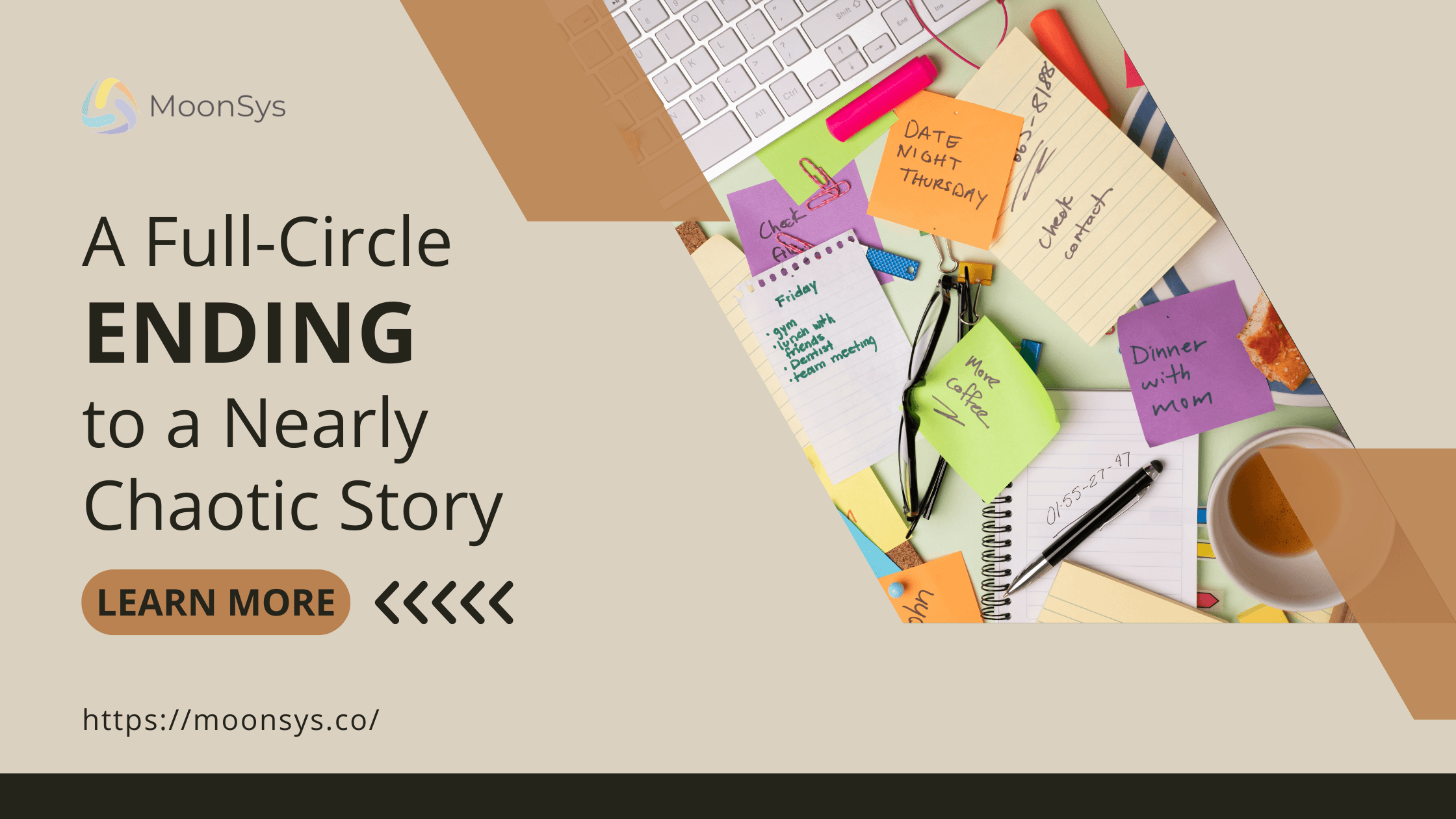 Do you recall the morning when everything went wrong? The missed calls? The long waits? The tension? Well, that tumultuous period is past now for this clinic. Each call is answered right away. Every inquiry is monitored. Every booking is done with precisive care. The very same clinic that was barely surviving is now working with the tranquil efficiency of a “well-directed” system.
The change was not through sorcery it was, however, through the adoption of new technologies. It was the unification of human compassion with intelligent machines, something that is being generally supported by the foremost thinkers and top AI companies in healthcare are pushing forward. And now, this clinic stands as proof that AI is not just the future of healthcare communication it’s the solution clinics needed all along.
Book a Live Demo
Book a live demo and see the communication in your clinic change dramatically in just 15 minutes.