The Hidden Cost of Inconsistent Terminology
In the modern world of business, globalization is the main driver and companies are creating content in different languages using various platforms and in diverse regions. One point that is commonly neglected while organizations are investing in advanced translation tools and machine translation is consistent terminology. Poorly managed glossaries can lead to inconsistent terminology between teams and projects, thus creating a hidden cost that influences both efficiency and brand integrity.
When terms for the same concept are used differently in different departments and by different translators, confusion, errors and miscommunication are likely to occur. The problems created by the inconsistent terminology do not only come up in translations but also affect marketing campaigns, customer communications, technical documentation and legal materials. Even tiny inconsistencies can spoil the overall brand consistency in translation, lower the translation quality and finally impact the customers' trust and the operational efficiency negatively.
The global scaling of businesses makes the consequences of poor terminology management to grow even more. Without a centralized system to standardize terms, organizations risk repeated mistakes, longer review cycles and misaligned messaging. Basically, inconsistent terminology is a quiet operational cost that can even break through sophisticated localization and translation workflows and undermine them.
Impact on Business Operations
The detrimental impacts of inconsistent terminology severally affect the business operations. In the absence of proper glossary management, the organizations often confront the following difficulties:
Confusion Across Teams: The different perceptions of translators, editors and content creators with regard to the meaning of the terms may result in the duplication of efforts and inconsistency in the messages being communicated.
Inefficient Workflows: The discrepancy in the terminology leads to the projects going through repeated revisions, thereby increasing the project timelines and operational costs.
Translation Quality Issues: Translators, both AI and human, depend on the use of uniform terminology. Otherwise, the translations tend to have mistakes, difficult to understand wording and terms that are opposite in meaning.
Content Inconsistency Across Languages: The global organizations that use inconsistent terminology will have their content translated in such a way that it will be perceived as fragmented, unreliable and unprofessional.
Localization Errors: The product manuals, legal documents and marketing materials may have terms that are incorrect and which could either harm the customer experience or interfere with the company's compliance with regulations.
As a result, the terminology inconsistencies, which may even look very insignificant, can transform into large operational problems. For example, a technical term translated differently in different parts of the world might leave the customer support teams confused, hence giving rise to wrong instructions, longer resolution times and customer dissatisfaction. The problems will ultimately lead to increased translation workflow problems as the teams will often have to revisit the same terminology decisions. Moreover, inconsistent language will have the same an effect as poor brand consistency in translation, which will make it difficult for the companies to convey a unified message across the markets. In the end, poor terminology management becomes a reason for the increase in internal costs, longer delivery timelines and lack of trust in multilingual communication.
Real-Life Consequences
 The negative effects of bad glossary management are not to be taken lightly as the case is not hypothetical. The legal, medical and technology sectors, for example, have had such a bad case of inconsistency in terminology that they have to bear the pain of gray areas and even financial losses in some instances. In the legal sector, variations in translated terms might lead to disputes over the contract, violations of regulations, even payment of penalties and ultimately the need for a centralized terminology management system which is a matter of life or death; in healthcare, hence, localization errors caused by inconsistent medical terminology could compromise patient safety and regulatory challenges.
Technology companies are dealt a translation workflow issue when software interfaces, help guides and marketing materials are using different terms, which leads to user confusion, rising support requests and a decline in the global brand image. The associated cost across these industries due to poor terminology management is seen in the form of lost productivity, operational inefficiency and compromised brand consistency in translation. A robust glossary management process will lock in precision and it will clear translation quality issues and give a helping hand to multilingual terminology management for a reliable communication link with the world.
Legal Industry
In law firms or corporate legal departments, poor terminology management can lead to contract and compliance documents being misinterpreted. A single mistranslation of a term in legal documentation can cause, for example:
-
Disputes over breach of contract
-
Payments of penalties
-
Loss of trust
The use of a standardized terminology management system across all legal translations will ensure that only precise and approved terminology will be used, thus cutting down the risk.
Medical and Healthcare Sector
Medical errors stemming from inconsistent terminology can translate into major risks for patients and even death. Here’s a possible scenario: Patient information leaflets with different terms used for the same medical condition. Misunderstanding between doctors in different parts of the country. Problems with the authorities because of improper paperwork related to drugs.
And here comes a glossary management system that can be a great help in keeping safety, accuracy and compliance with regulations.
The Role of GMS in Risk Reduction
A Glossary Management System (GMS) is a solution that can cope with these issues owing to unifying control and introducing the terminology through the projects. It is very important in the process of unraveling the hidden costs that poor management of the language has on the overall translation process since it guarantees the clarity, consistency and the high degree of efficiency among all the translation workflows.
Centralized Terminology Repository
Through the usage of a single point of reference, a GMS and its colleagues translators, reviewers, content makers and machine translation tools are all together approved terms consistently. This is the point of centralization which is very crucial since the problem of using different words for the same thing is straight away avoided, thus leading to no confusion, no re-work and no problems with the translation workflow. When the terminology is made standard and easily accessible, the teams do not need to depend on their personal interpretations or the old reference files anymore. Consequently, the differences in content among the languages are minimized to a great extent and the organizations have a better chance to maintain their brand consistency in translation across all markets.
The existence of a single glossary eases the task of multilingual terminology management by permitting the registration and regulation of language-specific divergences. This guarantees fidelity without losing community significance, especially in the industries that are of a complicated nature or are heavily regulated.
Automation and Integration
Modern GMS platforms connect directly with translation management systems and AI translation tools, thereby allowing the automatic execution of terminology rules during the entire translation process. The automation of these systems guarantees that both human and machine translation processes are following the approved terminology right from the first draft, thus reducing the occurrence of translation quality problems and the need for manual intervention.
The automatic enforcement of glossary also plays a crucial role in cutting localization mistakes, particularly in the very dynamic areas where content changes are happening all the time. Organizations that embed glossary rules right into the translation processes eliminate repetitive changes, speed up the review period and increase the efficiency of the whole process. In the long run, this connection between glossary and translation processes makes the latter the former's slowly reacting mechanism for detecting and preventing poor quality translations in an otherwise large and high-quality operation of translations.
Collaboration Across Teams
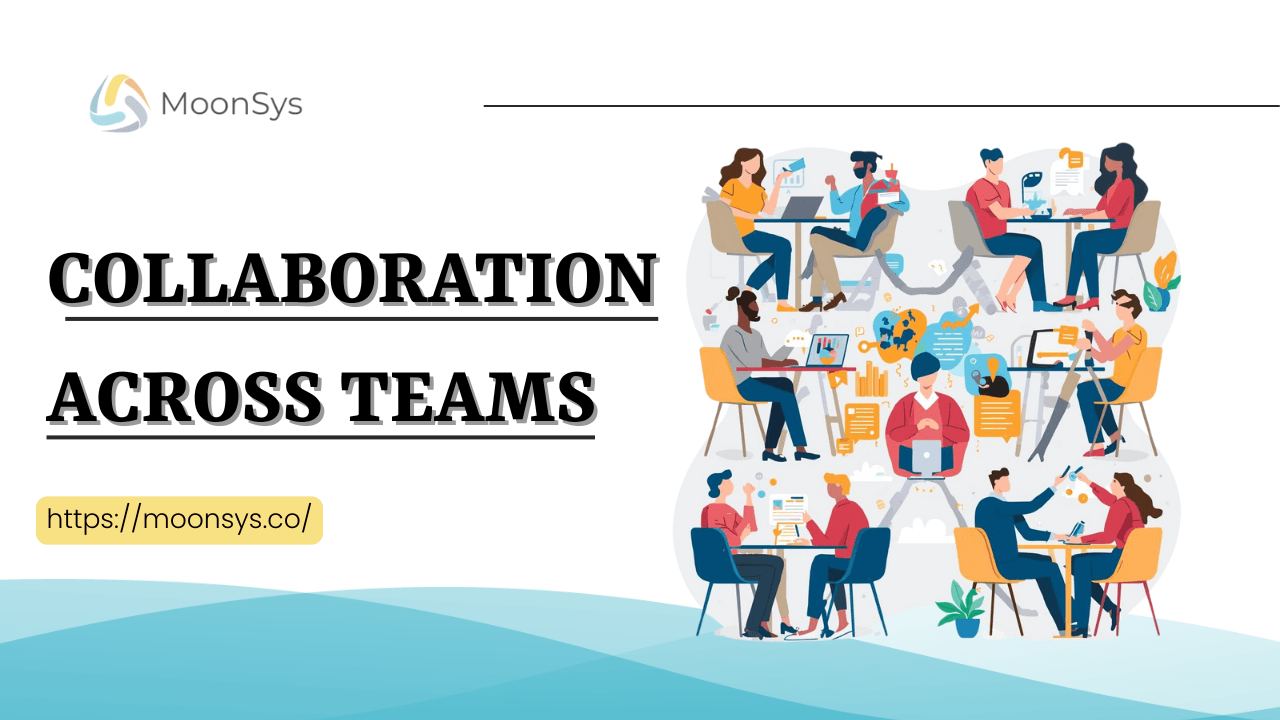 A GMS is a bridge connecting various departments, vendors and regional teams. The same terminology guidelines are made accessible to all, which:
-
Lowers the chances of miscommunication
-
Bridges the gap between languages
Fastens the delivery of the project timelines
Best Practices for Risk Mitigation
-
Determine term owners liable for the approval and the updates.
-
Periodically review and update the glossary to mirror the evolving products or markets
-
Add context notes for intricate and unclear terms
-
Acquaint translators and reviewers with the correct glossary usage
Key Benefits of Implementing a GMS:
-
Stops localization mistakes and misunderstandings
-
Shortens project turnaround time and revision cycles
-
Improves brand consistency in translation
-
Facilitates multilingual terminology management for global scalability
By incorporating a GMS into the workflows, companies can avoid the hidden costs associated with inconsistent terminology, from operational inefficiencies to financial and reputational risks.
Investing in Glossary Management Pays Off
The lack of harmony in the use of words is more than just a small irritation; it’s a cost that is hard to see that has an impact on the quality of translation, efficiency of operations and reputation of the company. Organizations that pay no attention to glossary management face the consequences of increasing mistakes, content alignment issues and costs over the entire translation project.
A terminology management system is a necessary investment that every business wants to keep all the languages in communication with one another. By using the same words, the companies are able to cut down on the translation workflow problems, localization errors and the cost of brand damage in the market. A GMS (Glossary Management System) makes the team smarter, faster and more reliable, thus, it is a must-have tool for any firm that is working in a multilingual and global environment.