
**Your company gathers information from all its operational areas yet most collected data remains unused. **
Every modern business generates data. The combination of customer interactions and sales transactions and website traffic and operations and marketing campaigns generates valuable data. Organizations face difficulties because their data exists in multiple unorganized regions which they cannot use. Organizations understand the value of data yet they struggle to derive useful insights from it. The process of data collection does not constitute the primary difficulty. The challenge lies in converting unprocessed data into business intelligence which organizations can use for decision-making.
Data transforms into useless noise because organizations lack proper analytics methods. Teams operate based on their instincts while they need scientific evidence which arrives after too much time has passed and they lose potential chances. Organizations require structured data analytics as their essential business function because it delivers more value than basic technical components.
Why Data Alone Does Not Drive Better Decisions
Businesses believe that their results will improve through increased data collection. The existence of numerous data systems creates a decision-making challenge because data remains divided between different platforms. Sales data resides in a separate system from customer data and operational metrics which exist in different locations. Without system integration leaders obtain incomplete information which prevents them from achieving complete understanding.
Another common issue is the lack of clear metrics. Teams track numbers that appear impressive yet do not lead to actual progress when organizations fail to establish their key performance indicators. The impact of reporting becomes weaker through reporting delays. The necessary reports become available after businesses lose their current possibilities. Organizations use their instincts to make decisions instead of following data-driven decision-making practices.
The first statement demonstrates that businesses face difficulties with analytics processes. The current situation necessitates better data-insight conversion methods for organizations.
The Industry Challenges Holding Businesses Back
Data fragmentation constitutes the primary obstacle which prevents businesses from conducting effective analytics operations. Teams experience difficulties in data analysis because they need to spend extended periods collecting information from diverse systems. The process experiences delays because of this while the likelihood of making mistakes increases.
The absence of dashboards and KPIs is another major problem. Decision-makers find it difficult to grasp trends and performance metrics because of the lack of effective data visualization methods. The important patterns cannot be detected through spreadsheets and static reports.
Data becomes less valuable when reporting gets postponed. Late insights do not provide stakeholders with enough information which they need to make urgent decisions. Businesses rely on their instincts when analytics capabilities remain insufficient. Businesses that depend on experience for decision-making processes can achieve temporary success but they will fail in fast-paced markets which require exact timing and detailed execution.
Rethinking Analytics as a Strategic Capability
Analytics should do more than describe what happened. The analytics process requires two essential elements which include explaining the event and establishing future actions. Effective business intelligence systems enable organizations to make decisions at increased speed while demonstrating enhanced strategic comprehension. Business leaders gain complete understanding through these systems which replace all existing assumptions.
A modern analytics approach aligns data with business goals. The system operates by evaluating three fundamental components which include relevant data and precise information and user-friendly content. Successful analytics implementation enables all teams to understand their success criteria and the way their activities influence results. Data-driven growth which lasts over time depends on this principle.
How Businesses Build a Strong Analytics Journey
Data scientists need to follow established procedures when they convert raw data into useful insights. The journey starts with centralizing and cleaning data. The presence of inconsistent data and duplicate records results in data which leads to false information. The process of creating clean and unified data establishes a foundation which guarantees data accuracy and reliability. The next step of our project requires us to create important dashboards and reports. An effective analytics dashboard displays KPIs in a clear manner while providing real-time updates about performance. This system enables leaders to assess performance metrics without needing to待 for physical reports.
The process of selecting appropriate metrics for measurement is essential. Business objectives need to drive KPI development because they must reflect actual business results. The implementation of advanced techniques becomes possible after this initial structure establishment. The process of data analysis now enables organizations to predict future events through its proactive approach.
How Moonsys Turns Data into Actionable Intelligence
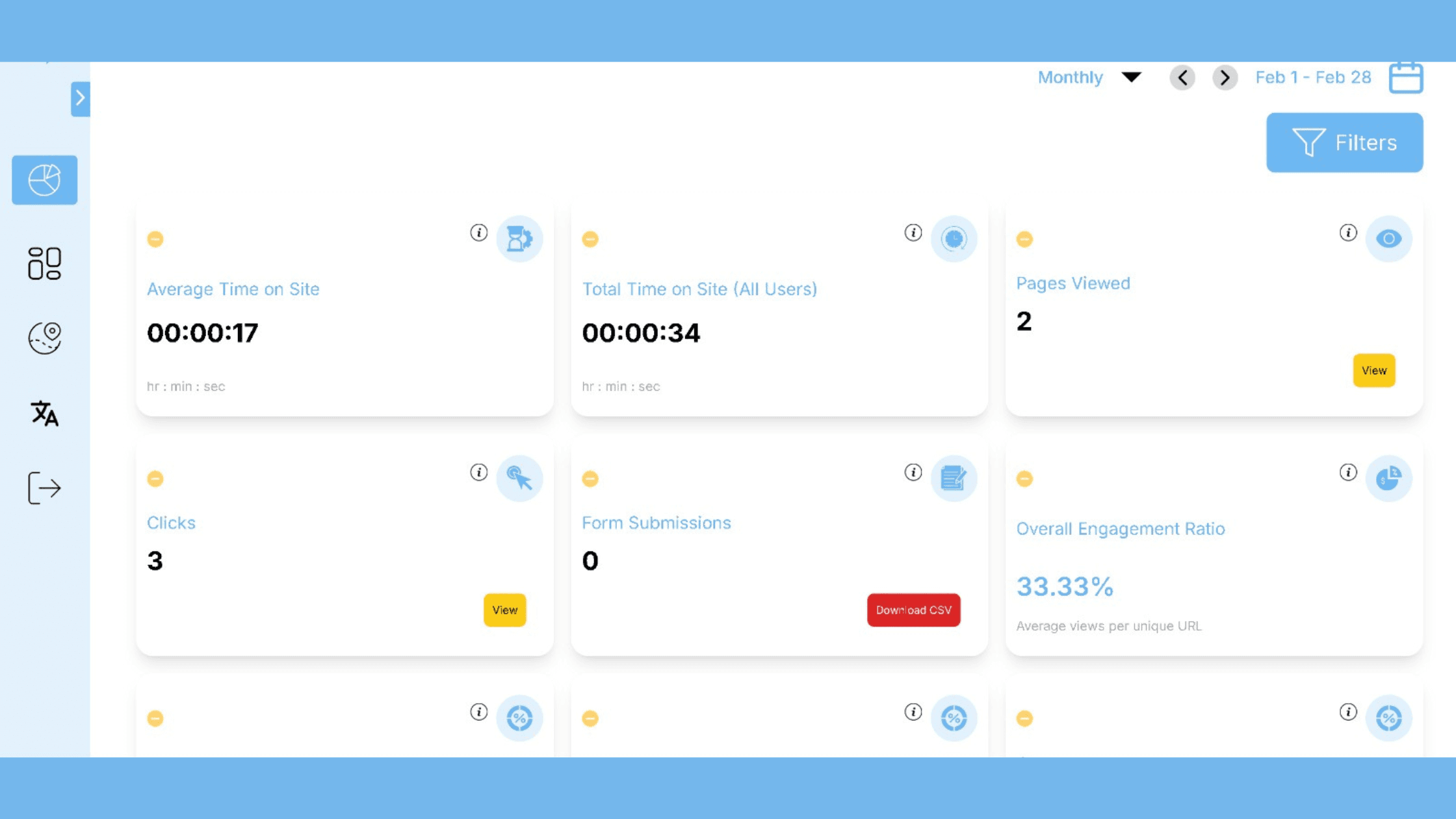 At Moonsys, our mission is to help businesses achieve maximum data potential through our Moonsys Data Analytics Services. Our organization centers its efforts on achieving results instead of concentrating on specific tools. We collaborate with organizations to develop an understanding of their objectives and their challenges and their needs for making decisions.
Our process begins with the integration of data from various sources into one complete analytics system. The system unites data from different departments to establish a central accurate information repository. The team develops user-oriented dashboards that present business information according to executive requirements. Users can understand and utilize complex information through visual displays which advanced data visualization techniques provide.
Businesses use predictive models to forecast upcoming trends instead of waiting to respond to them. Organizations use predictive analytics to forecast customer demand while studying their behavior patterns which helps them optimize business operations. The system delivers real-time tracking capabilities with alert systems that enable teams to stay informed and respond effectively.
A Simple and Effective Analytics Process
The analytics process described here delivers simple yet effective results. Moonsys creates an analytic process that enables ongoing system development through its established workflow. The team gathers data from all necessary systems before cleaning the data to achieve accurate results. The data undergoes analysis to identify existing patterns together with hidden connections. The daily decision-making process receives support through visualized insights that present information in dashboard and report formats.
Analytics extends beyond mere reporting because it reaches its most essential function. The process begins with insights which create actions that lead to outcome measurements which will improve future strategies. The process establishes a continuous cycle which keeps analytics current with business development requirements while producing benefits that endure.
Real Business Impact from Data Analytics
Organizations using Moonsys analytics solutions experience actual business results. The decision-making process becomes 40% faster which enables leaders to make immediate decisions with increased confidence. The company achieves better operational results because it uses actual data to improve its processes instead of depending on incorrect assumptions.
Businesses use predictive insights to create better market strategies. Businesses use predictive insights to identify future market trends which helps them minimize operational risks and optimize resource distribution. Businesses use predictive insights to identify upcoming market changes and create successful strategies.
The results show that analytics provides more value than report generation. People gain power through analytics because they receive information that helps them understand their situation better.
Why Businesses Choose Moonsys for Data Analytics
Moonsys combines technical expertise with business understanding. The company does not burden teams with complicated tools or excessive information. We deliver data insights that our clients can use to make actual business decisions.
Our analytics solutions provide flexible security features which we customize to meet specific organizational needs. Moonsys offers complete analytics solutions that help businesses establish successful operations from their first steps until they reach advanced big data analytics capabilities.
Turning Insight into Advantage
Active decision-making needs businesses to use data as their most valuable asset. Companies that depend on gut feelings for their decisions will fall behind opponents who employ analytical methods. Data transforms into a competitive edge for businesses when they combine effective strategic planning with appropriate tools and their specialized knowledge.
“Data is powerful only when you can act on it.”